
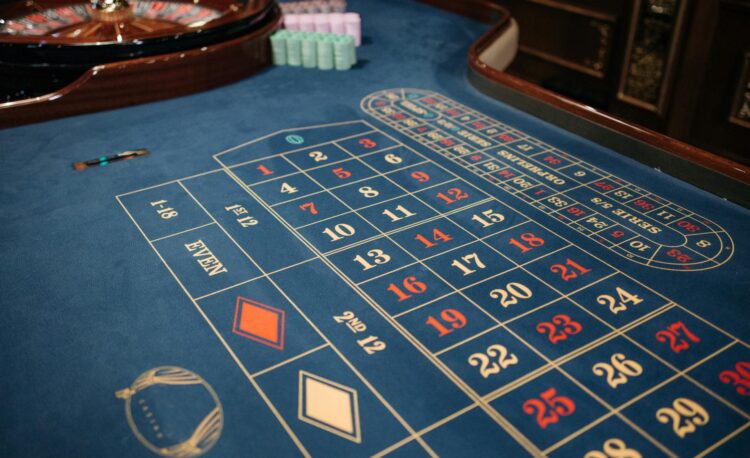
For many players, technical metrics guide game choice. Return to player, or RTP, often dominates discussions, especially within an كازينو اون لاين where comparisons are easy to make. Yet table speed matters more for some players. Speed changes experience, emotion, and perceived value. This article explains why table speed can outweigh RTP, focusing on psychology, pacing, and personal goals rather than formulas or hype. The preference is not about ignoring math. It is about how play feels in real time.
Understanding Table Speed
 Table speed refers to how quickly rounds are completed. Faster tables deliver more hands or spins per hour. Slower tables stretch the time between decisions. This difference shapes rhythm. Some players prefer a steady flow. Others want pauses. Speed becomes a defining feature, not a detail, because it controls how action unfolds moment by moment during a session.
Time Perception and Engagement
Fast tables compress time. Sessions feel shorter than they are. Players stay engaged without noticing that minutes pass. Slower tables highlight waiting. Attention drifts. For players who value immersion, speed improves satisfaction. Engagement matters as much as theoretical return because boredom reduces enjoyment even when odds look favorable on paper.
Volume Versus Value
RTP measures long-term expectation. Table speed affects volume. More rounds mean more outcomes. For players seeking frequent resolution, speed delivers feedback faster. They accept variance. They prioritize activity over optimization. This tradeoff feels rational to them because engagement replaces waiting as the main source of value.
Cognitive Load and Fatigue
Slow tables increase idle time. Minds wander. Fatigue builds differently. Fast tables reduce downtime. Decisions feel simpler. For some, this lowers stress. Managing cognitive load becomes more important than marginal RTP differences, especially during long sessions where attention naturally declines.
Session Goals Differ
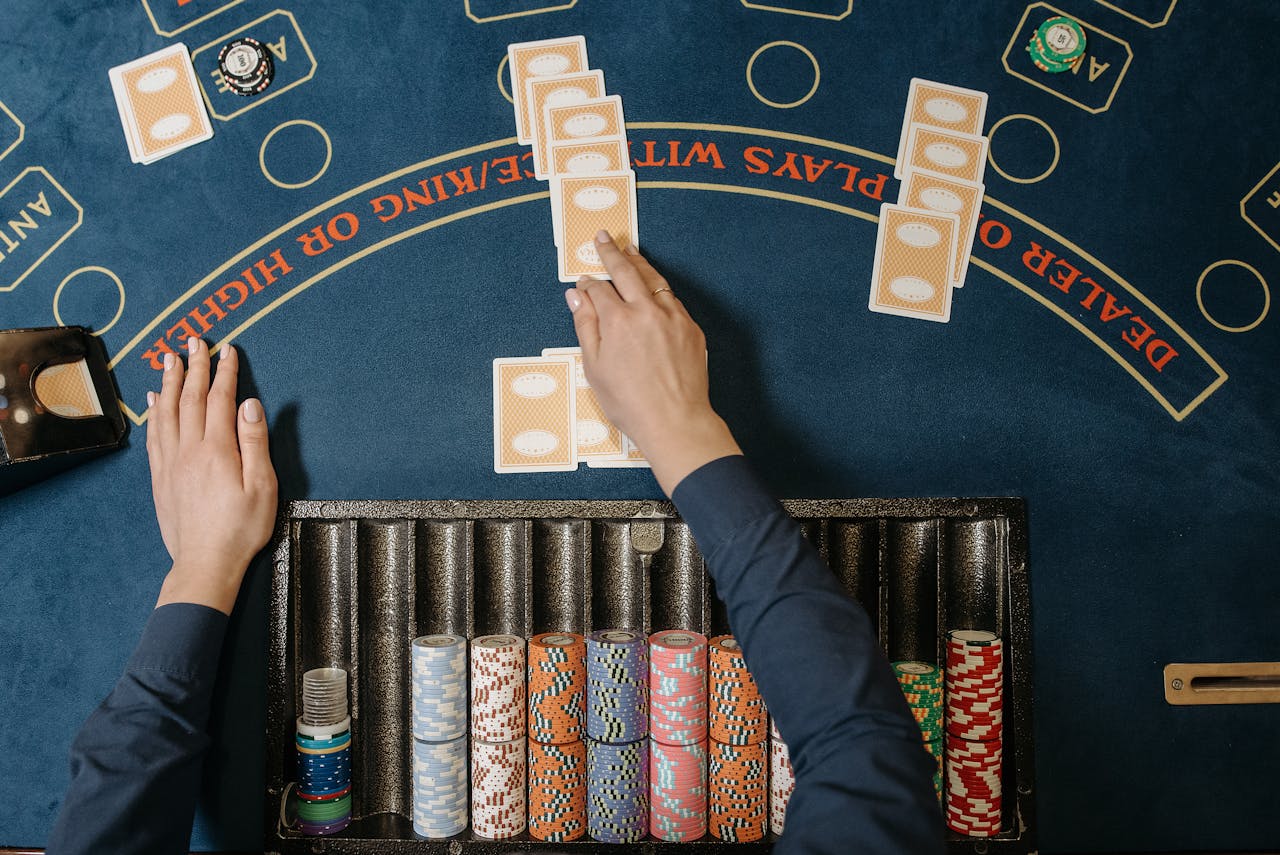
Not all players chase maximum return. Some want entertainment within a limited time. Faster tables fit busy schedules. They ensure engagement without long sessions. A unique goal set changes priorities. RTP loses dominance when time efficiency matters more than a theoretical edge across thousands of rounds.
Social and Environmental Factors
Live tables vary widely in pace. Dealers, players, and platforms influence speed. Social players often prefer a faster flow to maintain energy. Waiting disrupts interaction. Environment shapes enjoyment. Speed becomes part of the atmosphere, not just mechanics, influencing how connected players feel to the experience.
Personal Control and Satisfaction
Choosing table speed feels empowering. Players match pace to mood. This control increases satisfaction. They feel aligned with the game. RTP remains relevant, but secondary. With utmost clarity, preference reflects self-awareness rather than ignorance, showing that comfort often guides smarter long-term choices.
Table speed matters because play is lived in the moment. RTP lives on paper. Some players value how a game feels over how it averages out. Speed affects immersion, emotion, and time use. Recognizing this explains many choices that seem irrational on the surface. When players align pace with goals, enjoyment improves. Understanding preferences helps players choose games that fit their style, not just statistics. Over time, fewer frustrations emerge. Players feel less rushed or bored. Sessions become intentional. This balance supports consistency and confidence. Speed does not replace RTP. It complements it. Together, they shape experience. When players acknowledge both factors, decisions feel clearer. Satisfaction rises. Engagement stays healthy. The right pace allows players to enjoy play without forcing outcomes or chasing expectations, creating a steadier and more rewarding relationship with the game itself.