

Across continents, religions, and political systems, gambling keeps showing up. Some cultures embrace it openly, others restrict it heavily, yet it never entirely disappears. Whether it’s dice carved from bone, betting on animal fights, or digital games played on phones, gambling seems woven into human behavior itself. The question isn’t where gambling exists—it’s why it exists everywhere.
Risk and Reward Are Hardwired Into Human Nature
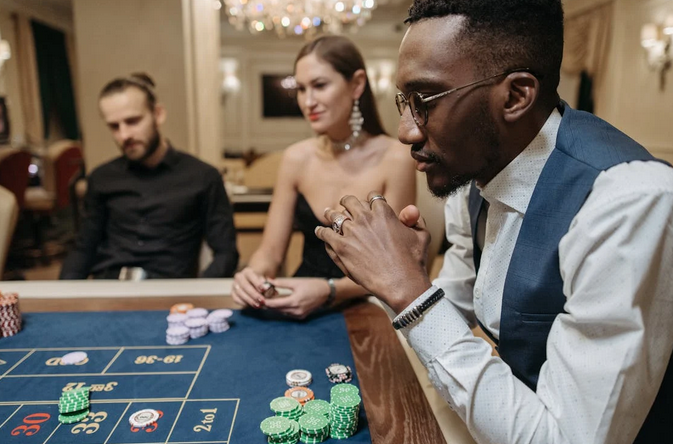
At its core, gambling taps into something ancient: the human relationship with risk. Long before money existed, people took chances for food, territory, and status. Gambling is a symbolic version of those early risks, condensed into games with rules and outcomes. Even in societies with strict laws, informal betting circles or chance-based games often thrive quietly, because the instinct itself is difficult to suppress.
Gambling Is a Social Bonding Tool
In many cultures, gambling isn’t about money first—it’s about connection. Card games, local betting traditions, modern games from diwa 777, and shared rituals around chance create social glue. When people gather to play, they tell stories, test luck, and reinforce group identity. Modern platforms inspired by games mirror this same dynamic digitally, offering shared experiences even when players are physically apart.
Rules Change, but Play Adapts
Governments may ban or regulate gambling, but rules rarely erase it. Instead, gambling adapts to cultural boundaries. Where casinos are illegal, lotteries or sports pools become popular. Where public betting is frowned upon, private games flourish. The form shifts, but the behavior remains, reshaping itself to fit whatever space is allowed.
Chance Is Still a Way to Understand Fate

Many cultures connect gambling with deeper ideas about destiny and luck. Throwing dice, drawing cards, or spinning wheels often carries symbolic meaning beyond winning or losing. These acts reflect how people interpret uncertainty in life itself. Gambling becomes a way to negotiate fate, offering a sense of participation in outcomes that otherwise feel uncontrollable.
Status, Skill, and Storytelling Matter
Gambling also creates narratives. Big wins become legends, losses become lessons, and skilled players earn reputations. In some societies, mastery of games like poker or mahjong is seen as intellectual achievement, not recklessness. These stories travel through communities, reinforcing gambling as a meaningful cultural activity rather than a purely financial one.
Modern Technology Didn’t Create Gambling—It Amplified It
The digital age didn’t invent gambling; it simply removed barriers. Online platforms allow people to engage privately, instantly, and across borders. This accessibility explains why gambling appears to grow even in places with strict oversight. Technology didn’t introduce the desire—it gave it more places to live.
Moral Tension Keeps Gambling Visible

Interestingly, the controversy around gambling may help it persist. Moral debates keep gambling in public conversation, giving it cultural weight. Activities that are openly discussed, argued about, and regulated tend to endure. Gambling sits in that space between indulgence and restraint, making it hard to ignore and easy to reinvent.
Gambling exists in every culture because it reflects universal human traits: risk-taking, storytelling, social bonding, and curiosity about chance. Laws and norms may shape how it appears, but they rarely erase it. As long as people wrestle with uncertainty and hope for fortune, gambling will continue to surface—quietly or loudly—wherever humans gather.