

Skill-based online games are changing how people view digital gambling. Traditional casino games rely mostly on chance. Newer formats reward player decision-making, speed, and strategy. This shift appeals to younger audiences who grew up with the direct access to diwa 777. They expect interaction and control. As online gambling evolves, skill-based gaming is becoming a central part of the industry.
Understanding Skill-Based Gambling
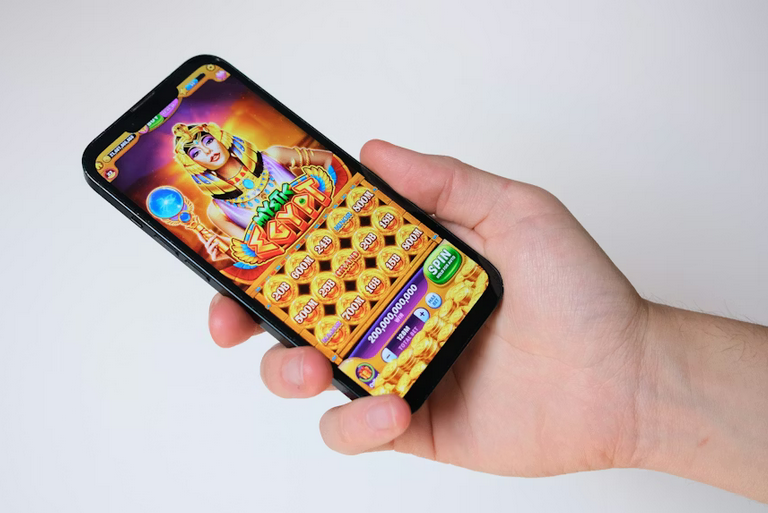
Skill-based gambling combines wagering with gameplay mechanics that influence outcomes. Unlike slots or roulette, players have an impact on the results through their actions, timing, accuracy, and strategy. Winning feels earned, not random. This model attracts users who prefer competitive environments. It also changes how risk is perceived. Players believe skill improves long-term results, even when chance still plays a role.
Why Players Are Drawn to Skill
Modern players want engagement. Passive spinning no longer satisfies everyone. Skill-based games offer challenge and progression. They resemble familiar video games. This familiarity lowers entry barriers. Players feel more confident placing bets when they understand the mechanics. A sense of mastery develops over time. This emotional investment keeps users returning. It creates deeper connections than traditional chance-based play.
Influence of Video Game Culture

Video game culture heavily influences these platforms. Popular mechanics like levels, leaderboards, and timed challenges are common. Competitive multiplayer elements add excitement. Streaming culture also contributes. Watching skilled players succeed motivates others. Gambling platforms borrow these concepts to stay relevant. The result is a unique blend of entertainment and wagering that feels modern and social.
Impact on Casino Operators
For operators, skill-based games offer diversification. They attract demographics that rarely engage with classic casino products. Younger adults respond well to interactive formats. These games also encourage longer sessions. Retention improves when players feel involved. From a business perspective, this model opens new revenue streams. It helps platforms stay competitive in crowded markets.
Regulatory and Fairness Considerations

Regulation becomes more complex with skill elements. Authorities must classify these games correctly. Are they gambling or competitive gaming? Fairness remains critical. Developers must ensure outcomes balance skill and randomness appropriately. Transparency builds trust. Clear rules help players understand risks. Regulators work to ensure compliance while allowing innovation to continue responsibly.
Technology Driving the Growth
Advancements in technology support this rise. Faster internet improves responsiveness. Mobile devices handle complex graphics easily. Data analytics tracks player behavior. This helps developers refine difficulty levels. Artificial intelligence adjusts challenges dynamically. These tools help ensure fair competition. They also improve user experience. Technology enables smoother integration of skill mechanics into gambling environments.
Challenges and Criticism
Despite popularity, concerns exist. Some critics argue that skill elements may blur gambling boundaries. Players might underestimate risk. Responsible gambling tools remain essential. Clear disclosures help manage expectations. Another challenge is balance. Too much skill discourages casual users. Too little reduces differentiation. Developers must find the utmost balance to appeal broadly without misleading players.
Skill-based gambling is expected to expand further. Hybrid models will grow. These mix chance with measurable skill. Esports betting already reflects this trend. Social competition will increase. Cross-platform access will improve convenience. Operators will refine designs based on user data. To ensure sustainability, platforms must prioritize fairness, clarity, and player protection. The industry continues adapting to changing preferences.